

Effect of Conflict on Flights
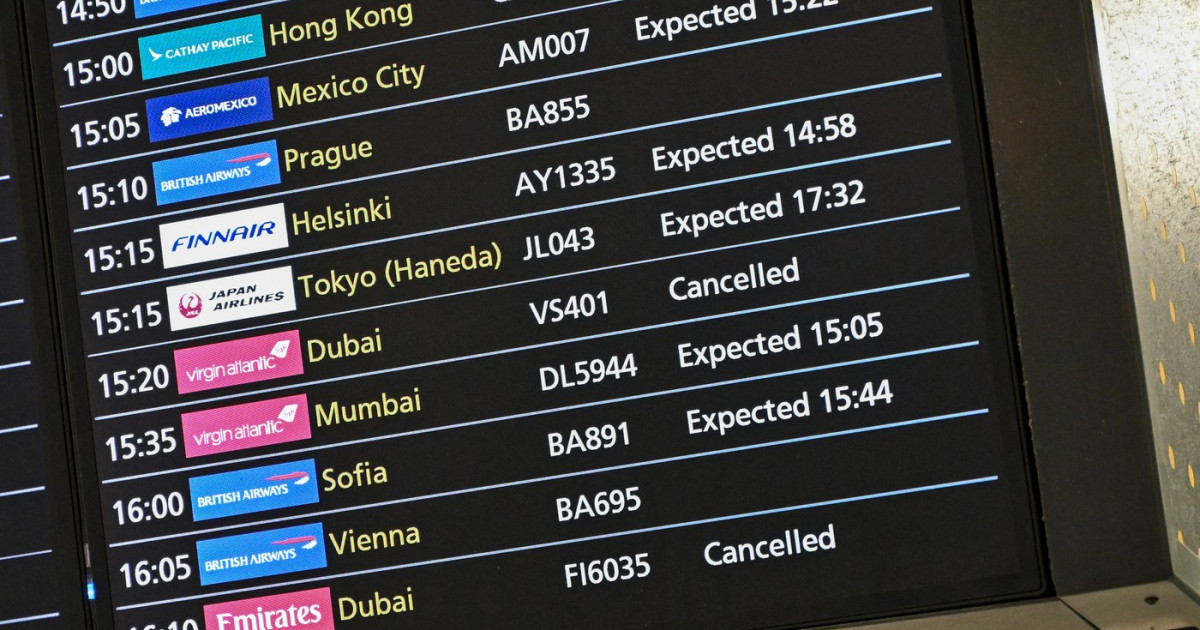
The conflict in the Middle East has had a significant effect on flights involving Bucharest, with 28 flights being canceled on Tuesday. These cancellations were due to instability in the region, prompting aviation authorities to implement precautionary measures for the safety of passengers and crews. Flight routes passing through the affected areas have been altered or temporarily suspended, disrupting the normal flight schedule and creating logistical challenges for airlines. Passengers intending to travel to or from Bucharest had to modify their travel plans, and airports had to handle an increased volume of requests for information and assistance. The political and military instability in the Middle East remains a major concern for the aviation industry, which is closely monitoring the situation to quickly adjust flight operations in response to developments.
Response of Airlines
Airlines have responded swiftly to the escalation of the conflict in the Middle East, prioritizing the safety of passengers and crews. Many of them have chosen to cancel scheduled flights or change routes to avoid crossing airspace deemed dangerous. Additionally, airlines have enhanced communication with international and local aviation authorities to receive real-time information regarding flight safety. Some airlines have offered flexible options for rescheduling flights or full refunds for passengers affected by cancellations. Official notifications have also been issued via websites, mobile apps, and social media channels to keep passengers informed about the evolving situation and any changes in flight schedules. Airlines are working closely with authorities to periodically assess risks and make necessary decisions to ensure the highest level of safety in flight operations.
Safety Measures
In light of the escalation of the conflict in the Middle East, safety measures have become an absolute priority for all entities involved in aviation transportation. International aviation authorities have issued strict directives regarding the avoidance of conflict zones and have continuously updated risk maps to reflect rapid changes on the ground. At airports, security measures have been intensified, with additional baggage checks and rigorous passenger screening to prevent any potential threats. Flight crews have received further training on emergency procedures and crisis management, ensuring they are prepared for any eventuality. Moreover, contingency plans have been implemented to respond quickly if necessary, including coordination with security forces and local emergency services. Continuous monitoring of airspace through advanced radar systems and close collaboration with air traffic control centers are essential for safe and efficient navigation. These measures aim to minimize risks and protect the lives of passengers and crew amid an extremely volatile geopolitical situation.
Recommendations for Passengers
Passengers facing cancellations or changes to their flights due to the conflict in the Middle East are advised to continuously check the status of their flights through the official websites of airlines or mobile apps. It is recommended to sign up for flight notifications, which can provide real-time updates on potential delays or itinerary changes. If the flight has been canceled, passengers should contact the airline as soon as possible to explore available options, including refunds or rescheduling. It is helpful to be prepared with information such as the booking number and personal details to facilitate the assistance process. Additionally, passengers should ensure that they have all travel documents up to date and verify the specific entry requirements for their alternative destinations. At airports, it is important to follow all security instructions and allow extra time for check-in and security procedures, considering the increased security measures. Furthermore, it is advisable to have communication means available, such as charged mobile phones and possibly external batteries, to maintain contact with airlines and receive updates. During a period of uncertainty, flexibility and preparedness are essential for successfully managing travel disruptions.
Sursa articol / foto: https://news.google.com/home?hl=ro&gl=RO&ceid=RO%3Aro