

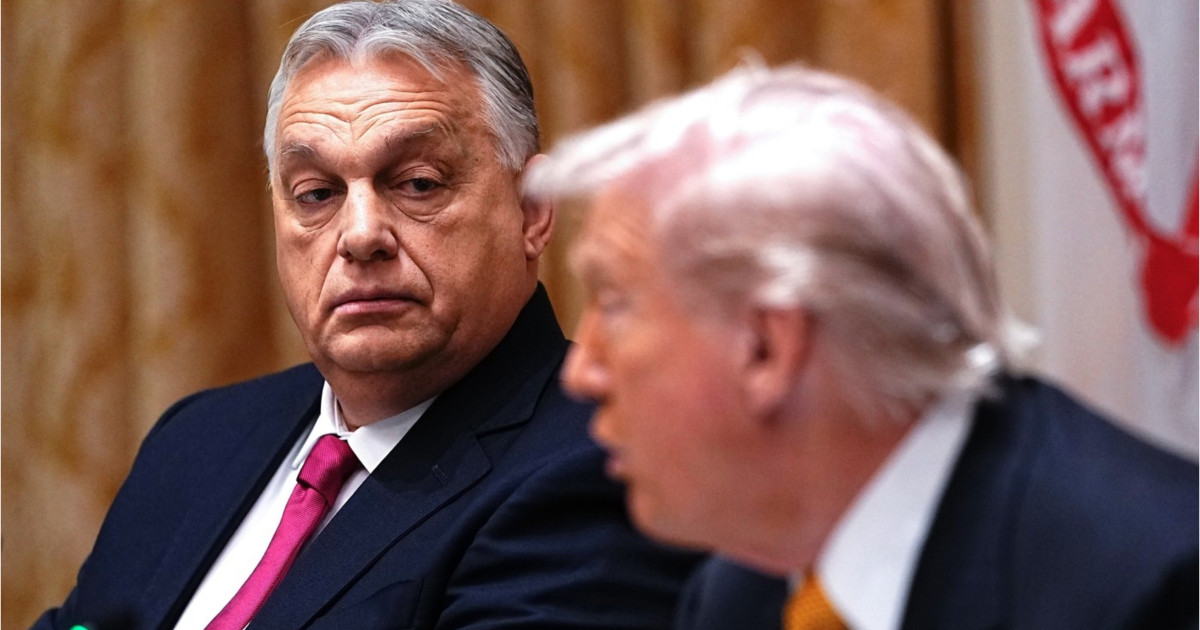
Influence of the Elections in Hungary on American Foreign Policy
The recent results of the elections in Hungary, which signified a significant defeat for Viktor Orban, are beginning to exert considerable influence on the foreign policy of the United States. The U.S. administration, known for its close ties with Orban’s government, now faces the challenge of recalibrating these relationships in the context of a shifting Hungarian political landscape. With Orban losing power, the United States must reassess its priorities and alliances in the region, especially since Hungary has played a strategic role in Central and Eastern Europe. Moreover, the political changes in Hungary could also affect the U.S. approach towards the European Union, given that Orban has frequently been a vocal critic of Brussels. As Washington adjusts its policies, emphasis is placed on promoting democracy and human rights, values that have often been undermined during Orban’s regime. This new direction could lead to closer collaboration with the new Hungarian authorities in an effort to support the democratic transition and counter authoritarian influences in the region. Thus, the elections in Hungary have not only altered the domestic political landscape but have also triggered a reassessment of American strategies in Europe, highlighting the importance of adaptability in foreign policy.
Political Consequences of Orban’s Defeat for Trump
The defeat of Viktor Orban in the Hungarian elections carries profound implications for Donald Trump, considering the political and ideological ties between the two leaders. Orban has often been viewed as an ally of the former American president, sharing similar views on nationalism, immigration, and national sovereignty. This connection has been utilized by Trump to validate and promote his own international policies, seeing Orban’s success as a confirmation of his political direction. However, Orban’s loss signifies a change in the European political landscape that could weaken Trump’s influence on the international stage.
Orban’s defeat might diminish support for the right-wing populist movements that Trump has vocally backed. Furthermore, it could encourage political opposition and Trump’s critics to argue that his leadership model is not sustainable in the long term. As Trump prepares for a potential candidacy in the upcoming presidential elections, losing an important ally like Orban could impact public perception regarding his ability to forge and maintain strong international alliances.
Additionally, the political shifts in Hungary might also impact trade and economic relations between the two nations, putting pressure on Trump to rethink his international economic strategies. While trying to consolidate his support base, Trump needs to navigate these changing political waters carefully, knowing that any misstep could be exploited by his political opponents. Thus, Orban’s defeat is not merely an internal matter for Hungary but also a significant external challenge for Donald Trump and his political movement.
International Reactions and Perspectives on U.S.-Hungary Relations
Viktor Orban’s defeat has generated a series of international reactions, influencing perceptions of U.S.-Hungary relations. Within the European Union, many governments view this outcome as an opportunity to rebuild ties with Hungary, considering that Orban’s regime has often been at odds with Brussels. European leaders hope that new leadership in Budapest might bring Hungary closer to the democratic values and rule of law promoted by the EU, thereby facilitating closer cooperation within the community block.
At the same time, the American administration is closely monitoring developments in Hungary, aware of the impact these changes could have on bilateral relations. Washington may seek to refresh the dialogue with Budapest by emphasizing economic and security partnerships that reflect the new political realities. However, it is crucial for the U.S. to ensure that any new Hungarian administration will uphold democratic values to avoid the risk of reverting to authoritarian policies.
For Russia and China, the regime change in Hungary represents both a challenge and an opportunity. While both countries had relatively good relations with Orban’s government, they might now seek to reaffirm their influence, trying to draw Hungary into their sphere of influence through economic offers and strategic investments. Yet, a Hungary more aligned with the West could counter these efforts, thereby strengthening the democratic front in Central and Eastern Europe.
On the international stage, Orban’s defeat is seen as a signal of political changes in Europe, which could lead to a realignment of alliances and a reconfiguration of geopolitical strategies. For the United States, maintaining a
Trump’s Strategies in the Context of Political Changes in Europe
Donald Trump, known for his ability to quickly adapt to political changes, may see Orban’s defeat as an opportunity to recalibrate his strategies in Europe. As the influence of right-wing populism seems to wane, Trump might attempt to expand his network of alliances, seeking out European leaders who share similar views on national sovereignty and immigration. This could involve an effort to strengthen ties with traditional partners like Poland or to identify new emerging leaders who support a conservative agenda.
Simultaneously, Trump must navigate carefully within a Europe undergoing continuous political transformation. Regime changes and political movements in various European countries can influence power balances and affect American interests. Therefore, Trump might intensify efforts to promote trade policies that benefit from these changes, ensuring that the United States remains an influential player on the global stage.
Another important aspect of Trump’s strategy may be the emphasis on security cooperation, especially in the context of rising tensions with Russia and China. Orban’s defeat provides an opportunity to strengthen transatlantic alliances, collaborating with European nations to counter unwanted external influences. Trump might leverage this occasion to promote joint defense and security initiatives, highlighting his commitment to protecting Western interests.
In conclusion, Donald Trump’s strategy in response to political changes in Europe will require a flexible and adaptable approach, capable of responding swiftly to new challenges and opportunities. As he prepares for future confrontations…
Sursa articol / foto: https://news.google.com/home?hl=ro&gl=RO&ceid=RO%3Aro