

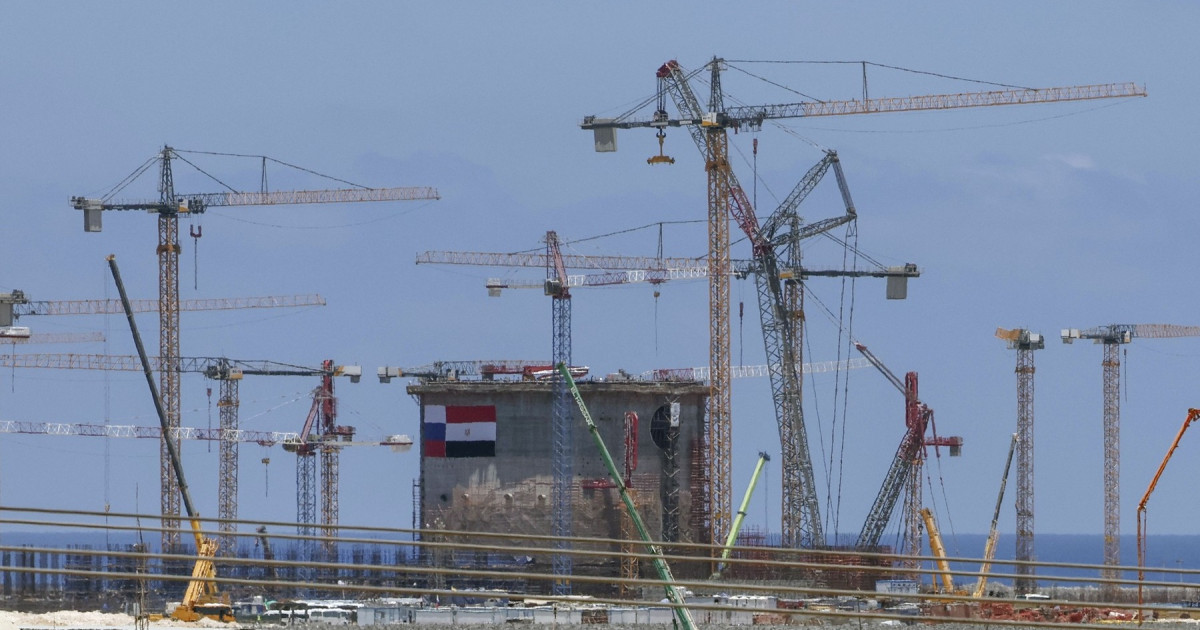
Influence of Alcohol on Workplace Safety
The consumption of alcohol on construction sites can have devastating effects on workplace safety, endangering both the lives of workers and the integrity of the project itself. Alcohol impairs motor coordination and concentration ability, increasing the risk of accidents and human errors. In a complex and dangerous working environment, such as a construction site, these effects can lead to serious incidents, including falls from heights, improper handling of equipment, and the inability to respond promptly in critical situations.
Moreover, alcohol consumption can diminish the ability to communicate effectively and adhere to safety procedures, which are essential elements in accident prevention. In the context of constructing a nuclear power plant, where precision and strict adherence to safety regulations are crucial, the impact of alcohol can have even more severe consequences, jeopardizing not only the safety of workers but also that of residents in neighboring areas.
Authorities’ Reactions and Possible Sanctions
Following allegations against the Russian company responsible for the construction of the nuclear plant at Paks, regulatory authorities in Hungary reacted swiftly. They launched an investigation to assess the severity of the situation and establish necessary measures to prevent such incidents from recurring. Labor inspectors were dispatched to the site to verify compliance with safety regulations and evaluate whether there was a real risk to workers and the project as a whole.
The authorities emphasized that if the allegations are proven true, the company could face severe sanctions, including substantial fines and even temporary suspension of construction activities. These measures could be accompanied by strict requirements to improve safety policies and oversight on site. Additionally, authorities might request a detailed action plan from the company that includes clear measures to eliminate alcohol consumption on site and ensure a safe working environment.
Besides financial and administrative penalties, the company’s reputation could suffer significant negative impacts, which may affect its future business relations and ability to secure new contracts in the nuclear construction sector, both domestically and internationally.
Preventive Measures Implemented by the Company
The company has taken a series of measures to prevent alcohol consumption on site and ensure a safe and productive working environment. First, an alcohol testing program was implemented, which includes random and regular checks of workers to detect any alcohol consumption during working hours. These tests are conducted by qualified personnel and are intended to discourage alcohol use, ensuring that all employees are fit to work safely.
Additionally, the company has increased training and awareness sessions for employees, highlighting the risks associated with alcohol consumption and the importance of adhering to safety standards. These sessions include presentations and educational materials explaining the negative effects of alcohol on the physical and mental capabilities necessary for working on site.
Furthermore, the company has established a zero-tolerance policy regarding alcohol consumption, which specifies clear sanctions for those who violate the rules. Employees found under the influence of alcohol may face disciplinary actions, including suspension or termination of employment. This policy is clearly communicated to all employees and included in the company’s procedure manual.
To support employees who may have alcohol-related issues, the company provides access to counseling and assistance programs. These programs are designed to help employees overcome alcohol dependency and return to a healthy lifestyle, thus contributing to creating a safer and more responsible working environment.
Consequences for the Nuclear Project at Paks
Alcohol consumption on the Paks construction site has raised concerns about potential negative consequences for the nuclear project. Firstly, there is a risk of significant delays in completing the work, as any safety-related incident can lead to a temporary halt of activities to allow for necessary investigations and the implementation of corrective measures. These delays can have considerable financial impacts, increasing project costs and affecting resource planning.
Secondly, the project’s reputation may be severely affected. Nuclear projects are already under a high level of public and regulatory scrutiny, and any safety issue can lead to a loss of trust from the local community and international partners. This can complicate obtaining the necessary approvals and support for future project phases.
Additionally, safety issues related to alcohol consumption may negatively influence relations with subcontractors and suppliers. They may become reluctant to continue their collaboration or request stricter safety conditions, increasing the complexity of contract management and activity coordination on site.
Lastly, any safety issue can attract heightened attention from international regulatory authorities, such as the International Atomic Energy Agency, which may lead to additional inspections and stricter compliance requirements. This can slow project progress and require additional resources to meet regulatory demands.
Sursa articol / foto: https://news.google.com/home?hl=ro&gl=RO&ceid=RO%3Aro